The No-BS Guide to Safe Baby Bottle Materials (What Actually Matters)
Okay, real talk. When I first became a mom here in Orlando, I spent like three weeks researching baby bottles. THREE WEEKS. I read about BPA, phthalates, microplastics, and about 47 other chemicals I'd never heard of before.
It was overwhelming. And honestly? A lot of it was unnecessary panic.
So let me break down what actually matters when it comes to baby bottle materials – no fear-mongering, just facts.
The Big Players in Baby Bottle Materials
Plastic (When Done Right)
Let's start with the elephant in the room. Plastic bottles get a bad rap, and some of it's deserved. But here's the thing: not all plastic is created equal.
The Bad Stuff (Avoid These)
- BPA (Bisphenol A): Banned in baby bottles since 2012, but still worth checking
- Phthalates: Hormone disruptors. Hard pass.
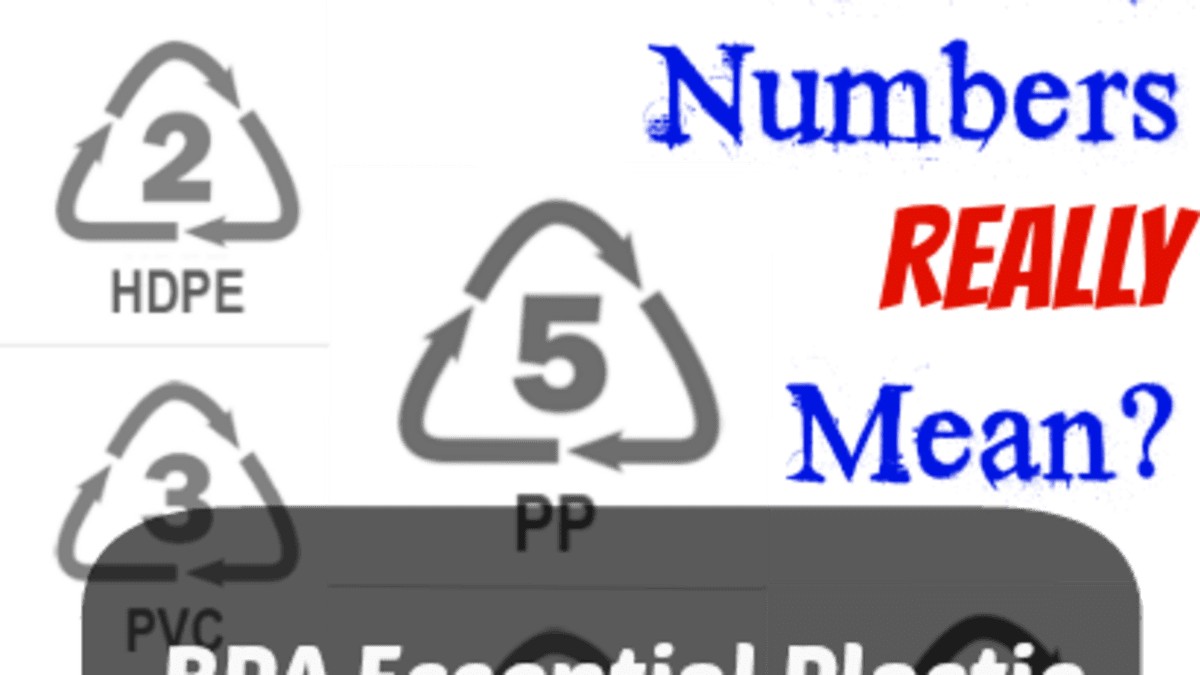
- PVC: Contains chemicals you don't want near your baby
The Good Stuff (Safe Options)
- Polypropylene (PP): Safe, durable, and what most modern bottles use
- BPA-free plastics: When certified by reputable organizations
- Medical-grade plastics: What hospitals use
Living in Florida, I actually prefer plastic bottles for one specific reason: they don't break when you inevitably drop them at the beach. Glass shattering on hot sand with barefoot babies around? No thank you.
Glass Bottles
The "natural" crowd loves glass bottles, and I get it. Glass is inert – it doesn't leach anything into the milk, it's easy to clean, and it looks pretty in those Instagram photos.
Pros:
- Zero chemical leaching
- Easy to sterilize
- Lasts forever (if you don't break it)
Cons:
- Heavy (your baby's little arms will get tired)
- Breakable (dangerous and expensive)
- Not practical for on-the-go Florida living
Silicone
Silicone bottles are the new kid on the block, and they're pretty sweet:
- Food-grade silicone is super safe
- Flexible and squeezable
- Can withstand Florida's heat without degrading
- Won't break when dropped
The downside? They're harder to find and usually more expensive.
What to Actually Look For
Forget the marketing mumbo-jumbo. Here's what really matters:
1. BPA-Free Certification
This should be non-negotiable. Every reputable baby bottle manufacturer has gone BPA-free by now. If it doesn't say BPA-free on the label, put it back on the shelf.
2. Food-Grade Materials
Whether it's plastic, glass, or silicone, make sure it's certified food-grade. This means it's been tested and approved for contact with food and beverages.
3. Easy to Clean
Here in Florida's humidity, bacteria love to party. You need bottles that can be thoroughly cleaned without special equipment:
- Wide mouth opening (fits your hand inside)
- Dishwasher safe
- Minimal parts (fewer places for bacteria to hide)
4. Heat Resistant
Florida summers mean leaving things in hot cars accidentally happens. Your bottles should be able to withstand high temperatures without degrading or releasing chemicals.
The Temperature Factor (Important in Florida!)
Living in a state where your car becomes an oven from May to October, heat resistance isn't just nice to have – it's essential.
What happens when cheap plastic gets hot:
- Chemical leaching increases
- Material degradation
- Warping and deformation
- That weird plastic smell (you know the one)
What good materials do:
- Stay stable at high temperatures
- Maintain shape and integrity
- Don't release chemicals
- Can be safely sterilized
Red Flags to Watch For
Strong Chemical Smell
New bottles might have a slight smell, but if it's strong or doesn't go away after washing, that's a red flag.
Cloudy or Discolored Plastic
This can indicate material degradation. Time for new bottles.
Scratches and Wear
Damaged bottles can harbor bacteria and may release microplastics. Replace them.
Missing Safety Certifications
Reputable brands will clearly display their safety certifications. No certification = no purchase.
The Reality of Baby Bottle Shopping in 2025
Here's the good news: most major baby bottle brands sold in the US are actually pretty safe now. The scary stuff has largely been regulated out of the market.
The bigger concern? Making sure you're cleaning and replacing bottles properly. Even the safest material becomes unsafe if it's harboring bacteria or degrading from wear.
My Florida Parent Recommendations
After two kids and living through countless beach days, pool parties, and accidentally leaving bottles in the car (we've all done it), here's what works:
For Everyday Use:
High-quality BPA-free plastic bottles. They're practical, safe, and won't break when your toddler throws them across the room (they will).
For Home Use:
Glass bottles are lovely for controlled environments where you won't be moving around much.
For Travel:
Silicone bottles are lightweight and virtually indestructible.
For the Beach:
Plastic, plastic, plastic. Don't bring your fancy glass bottles to the beach. Trust me on this.
The Bottom Line
Yes, baby bottle materials matter. But you don't need a chemistry degree to make a safe choice. Look for:
- BPA-free certification
- Food-grade materials
- Easy-to-clean designs
- Heat resistance
- Reputable brand names
And honestly? The safest bottle is the one you'll actually clean properly and replace when needed. A premium glass bottle that's covered in dried milk residue is way less safe than a basic plastic bottle that's cleaned after every use.
Stay safe out there, Florida parents. And remember – you're doing great. Even if you stress-researched baby bottles for three weeks like I did. 🌴
Related Topics:
Love What You're Reading?
Join our waitlist to be the first to get your hands on Nessa's revolutionary dumbbell baby bottles!
Join the Waitlist